The Service Expectation Shift in 2026: Why Modern Users Want Everything On-Demand
The app economy changed patience itself. Discover how rideshare and service-sharing platforms are reshaping expectations, habits, and daily life in 2026.
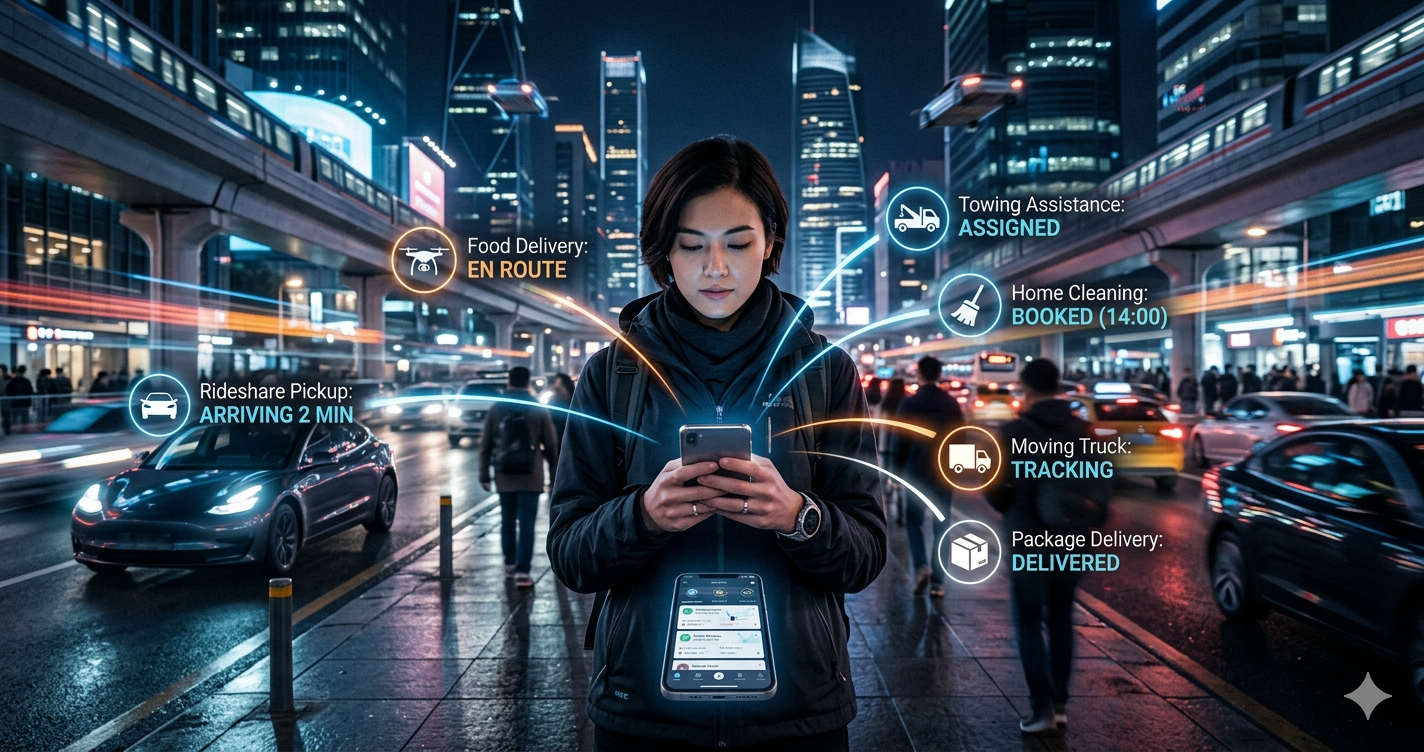
The Service Expectation Shift (2026) The app economy changed patience itself How expectations quietly changed Modern users no longer expect services “eventually.” They expect them immediately. In transportation and service-sharing ecosystems, speed has become more than convenience— it has become a normal expectation. Need a ride? Open an app. Need towing assistance, home cleaning, moving help, or delivery? Tap a screen. In 2026, the rise of on-demand transportation and service-sharing platforms has quietly reshaped how people think about waiting, planning, and daily life itself. Why instant service feels natural now rides appear within minutes services can be booked instantly real-time tracking reduces uncertainty apps remove traditional friction Over time, repeated instant experiences train the brain to expect speed everywhere. What once felt impressive slowly becomes normal. The invisible psychological shift The biggest change is not technological. It is behavioral. Transportation and service-sharing apps are changing how users emotionally react to: waiting uncertainty delays manual effort Patience itself is being redefined by the on-demand economy. The expectation reinforcement loop Every fast experience reinforces future expectations. The process is simple: instant booking feels rewarding the brain remembers convenience future patience decreases users expect even faster service next time Over time, convenience becomes the new baseline. How transportation and service…