The Silent Transfer of Control in 2026: When Habits Start Deciding for You
At first you build routines—then routines build your behavior. Discover how habits quietly take control of decisions in 2026.
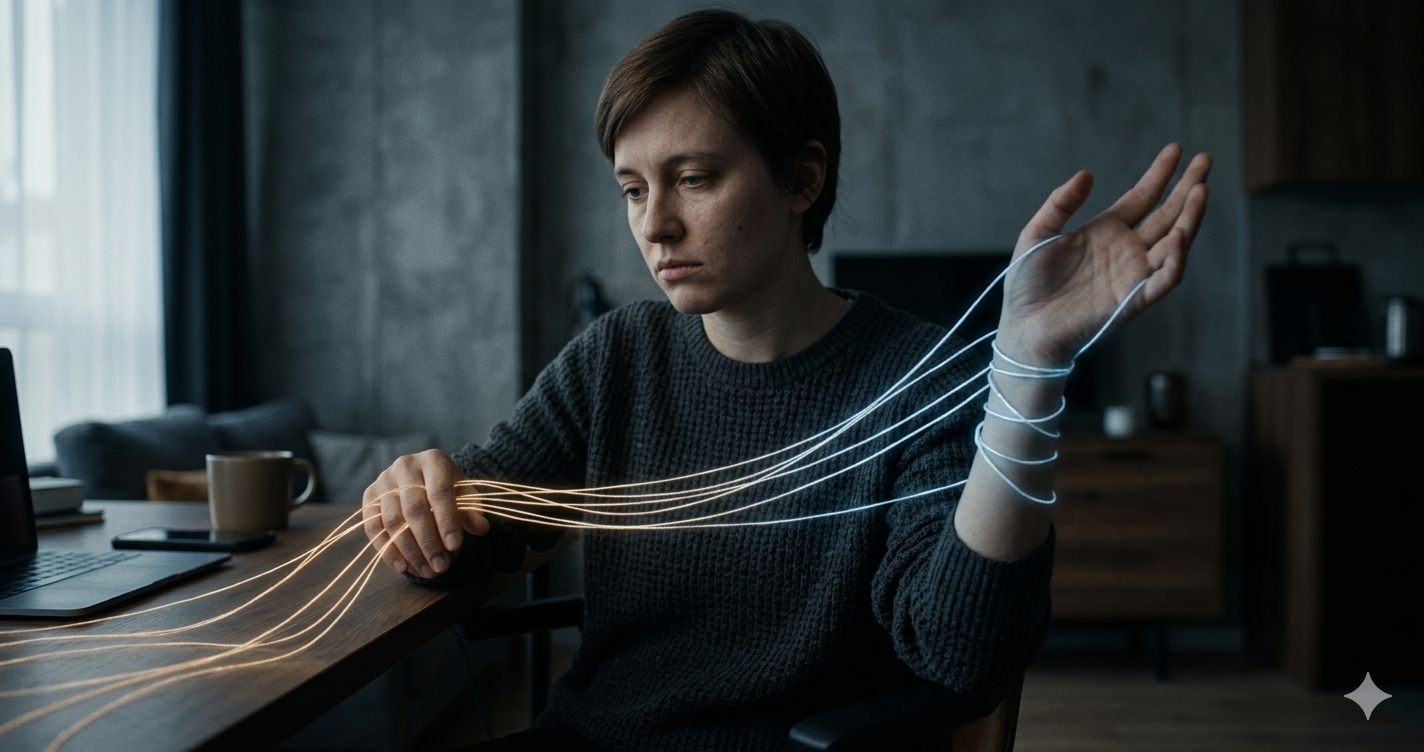
The Silent Transfer of Control (2026) At first you build routines—then routines build your behavior The control people don’t notice losing Most people think losing control feels dramatic. They imagine obvious mistakes, major changes, or sudden problems. But in reality, control often disappears quietly. One repeated behavior at a time. One routine at a time. One automatic action at a time. This is the silent transfer of control: the gradual shift where conscious decisions slowly become unconscious routines. How the transfer begins A shortcut saves time The shortcut feels good The brain repeats it Repetition becomes routine At first, the person feels fully in control. But over time, the routine begins influencing future behavior automatically. Why habits become powerful Habits reduce mental effort. The brain prefers predictable patterns because they save energy and reduce uncertainty. That’s why routines feel comfortable. But comfort can slowly replace awareness. The automation effect Once routines become familiar, people stop evaluating them carefully. Actions begin happening automatically: Opening the same app Accepting the same type of offer Skipping comparison Repeating identical patterns The person still feels like they are actively choosing. But much of the decision process has already been transferred to habit. Why the transfer feels invisible Habits don’t announce themselves. They feel natural because repetition creates familiarity. Familiar actions stop attracting…