The Slow Fade of Awareness in 2026: How Habits Take Over Quietly
You don’t lose awareness instantly—you lose it gradually. Discover how repeated habits quietly reshape behavior, spending, and decision-making in 2026.
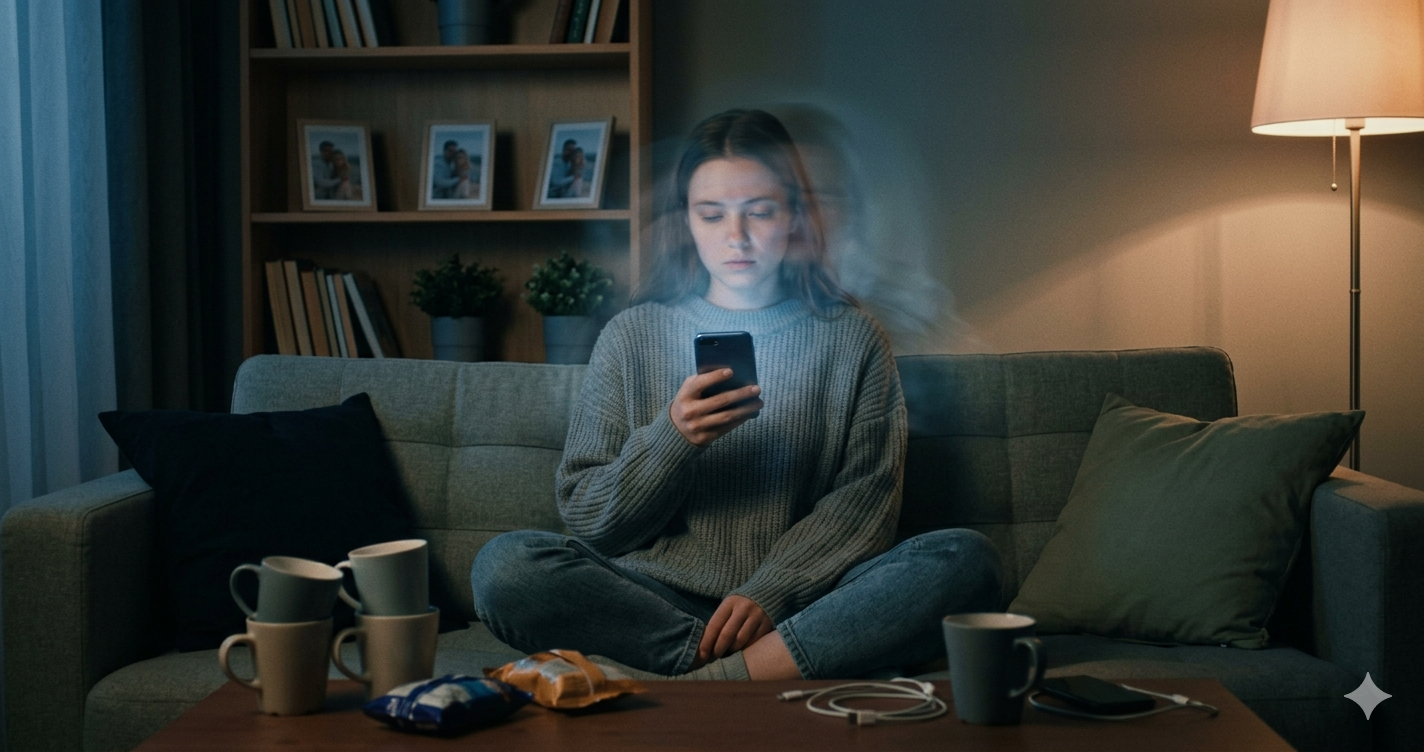
The Slow Fade of Awareness (2026) You don’t lose awareness instantly—you lose it gradually Awareness rarely disappears all at once Most people imagine major changes happening suddenly. But behavior rarely works that way. Habits don’t take control overnight. Awareness fades slowly, through repetition, familiarity, and routine. One automatic action. One repeated shortcut. One less moment of questioning. Over time, conscious decisions quietly become unconscious patterns. Why the fade feels invisible Habits create familiarity Familiarity reduces attention Reduced attention increases automation The brain naturally stops focusing on repeated behaviors because repeated actions feel safe and predictable. That’s why awareness fades without most people noticing it. The unnoticed transition At first, every decision feels intentional. People compare. They think carefully. They pay attention. But repeated behavior slowly removes those moments of awareness. Eventually, the process feels automatic—even when the consequences still matter. The automation effect Habits exist to reduce mental effort. The brain creates routines because routines save energy. Once behavior becomes familiar, attention drops automatically. Less evaluation Less reflection Faster reactions More repetition What once required thought eventually requires almost none. How the fade appears in daily life Imagine someone using ride or service apps every day: At first ? compares prices carefully Later ? checks fewer details…