The Effort Paradox in 2026: Why People Pay More to Think Less
You’re not paying for the ride—you’re paying to avoid effort. Discover the psychology behind the effort paradox and how it impacts spending in 2026.
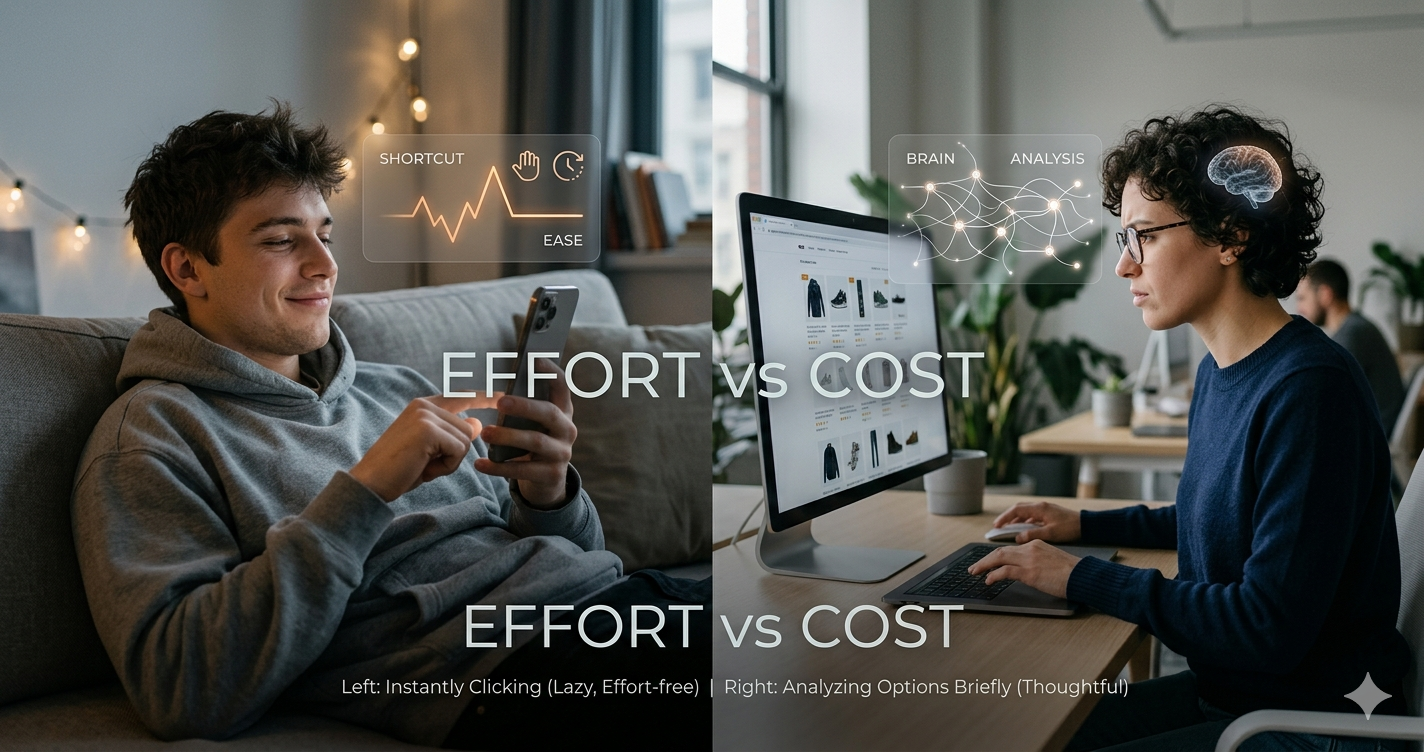
The Effort Paradox (2026) You’re not paying for the ride—you’re paying to avoid effort What is the effort paradox? The effort paradox is a simple but powerful idea: People are often willing to pay more money to avoid small amounts of effort. In modern apps, everything is designed to be fast and easy. But that convenience comes with a hidden cost. Where it shows up Accepting the first ride without checking alternatives Skipping comparison to save a few seconds Choosing faster options even when they cost more These actions feel efficient—but they often increase total spending. Why the brain avoids effort The human brain is wired to conserve energy. Thinking, comparing, and evaluating options requires effort—even if it’s small. So instead, the brain chooses the easiest path: quick decisions with minimal thinking. The hidden cost of saving effort Avoiding effort might save seconds—but it often costs money. Not comparing prices ? higher fares Skipping evaluation ? lower value choices Rushing decisions ? unnecessary upgrades Real-life example A user sees a ride for $20 and books instantly. But: A $16 option was available Waiting 3 minutes could reduce the price Another provider offered better service The extra $4 wasn’t for the ride—it was the cost of avoiding effort. The compounding effect One decision might not matter. But repeated daily: $3–$5 extra per ride 20–30 rides per month Hundreds of dollars lost over time Small effort avoidance leads to large long-term costs. The goal…