Driver & Rider Dynamics in 2026: Transparent Earnings, Price Sensitivity, and the New Rideshare Demographics
Explore how rideshare is changing in 2026: drivers demand transparent pay, over 70% of riders may reduce usage as prices rise, and Gen Z/Millennials prefer rideshare while older riders lean taxis. A global research-style report with practical strategies f
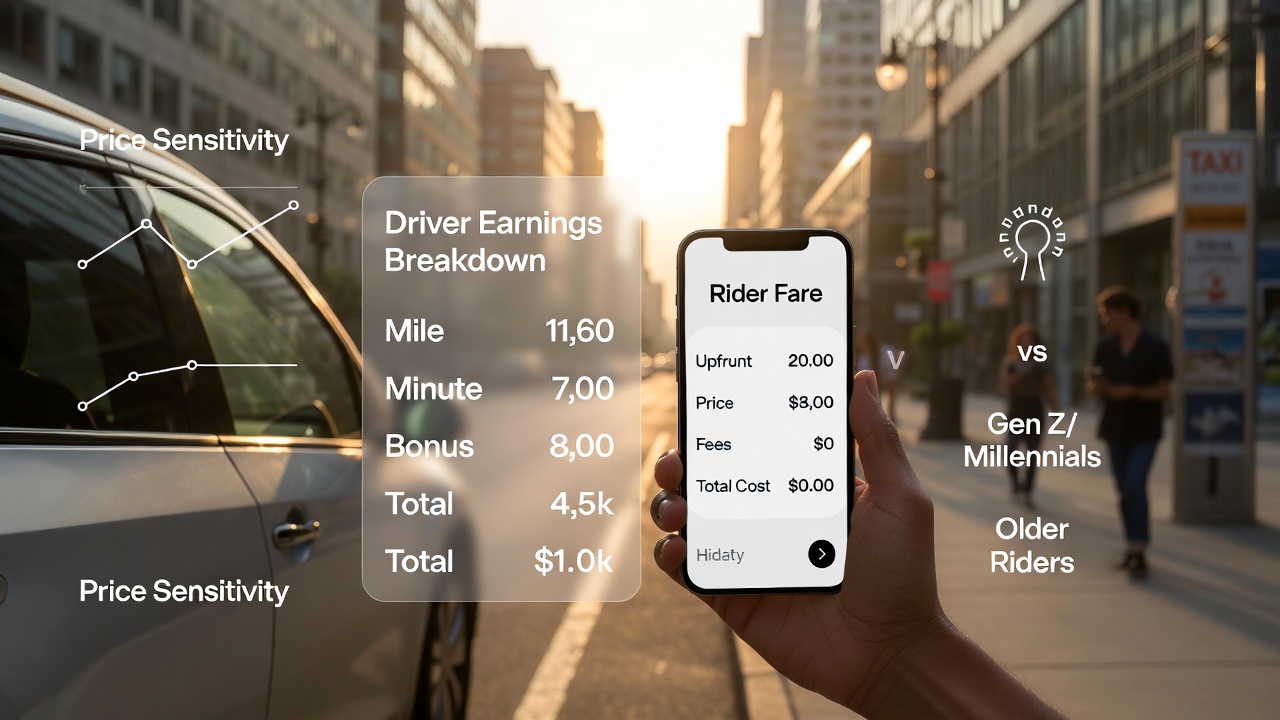
Global Research Report • 2026+ • Marketplace Behavior Driver & Rider Dynamics in 2026: Why Transparency, Price Trust, and Demographics Decide Who Wins Rideshare is not “just transportation.” It’s a real-time marketplace where trust is the currency. In 2026 and beyond, three marketplace truths are shaping the future worldwide: (1) Drivers demand explainable pay , (2) riders are increasingly price sensitive , and (3) demographics strongly influence adoption . This research-style article explains the forces behind these trends and provides a practical playbook for platforms, cities, and operators. Part 1 of 3 Theme Transparent earnings & trust Scope Global (all regions) Key claims (from your brief) Transparent Earnings: Drivers demand clear per-mile/minute rates and fewer hidden adjustments. Price Sensitivity: 70%+ riders may reduce usage if prices keep rising. Demographics: Gen Z/Millennials prefer rideshare; older groups lean taxi. Part 1 contents 1) Marketplace basics 2) Transparent earnings 3) “Hidden adjustments” 4) Pay model frameworks 5) Implementation playbook 1) The rideshare marketplace in one sentence Rideshare is a two-sided marketplace: if drivers feel pay is unfair, supply becomes fragile; if riders feel prices are unfair, demand collapses; if either side loses trust, the system becomes unstable. A simple mental model Rider value = price fairness + predictable ETA + safety + convenience Driver value = predictable earnings +…