Technological Shifts Transforming Ridesharing Worldwide: Robotaxis, AI Dispatch, and Electrification
A worldwide research-report style analysis of the three major shifts reshaping ridesharing: robotaxis, AI-powered dispatch, and electrification—plus what it means for riders, drivers, platforms, and cities.
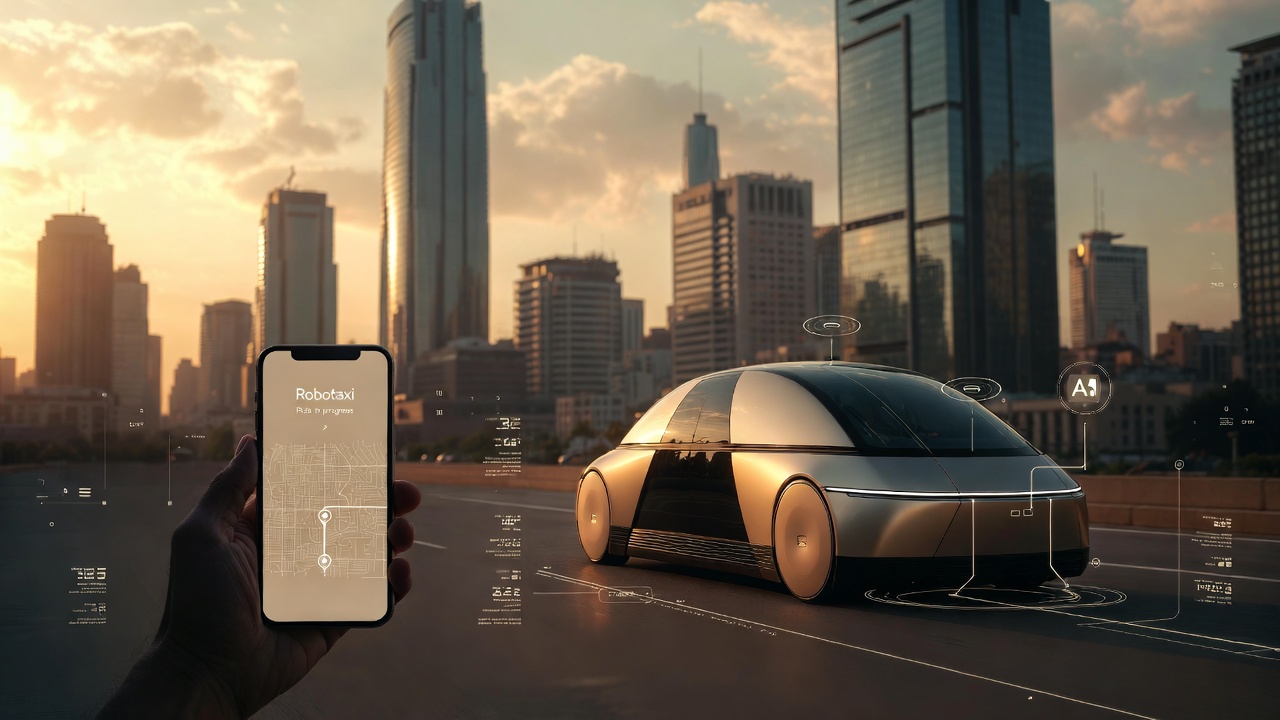
Research Report • Global • 2026–2031 Outlook Technological Shifts Transforming Ridesharing Worldwide: Robotaxis, AI Dispatch, and Electrification This report explains the three technology waves remaking ridesharing and on-demand services globally: Autonomous Vehicles (robotaxis) , AI-powered dispatch , and fleet electrification . We focus on what these shifts mean for riders, drivers, platforms, service providers, and city mobility systems worldwide. Section 1 — Technological Shifts Format Research report (operator-ready) Audience Riders • Drivers • Platforms • Cities What you’ll learn Robotaxis: why partnerships matter and what “scale” really requires AI dispatch: how platforms forecast demand and reduce idle/wait time Electrification: what changes in fleet economics and operations Global lens: regulation, safety, and infrastructure constraints by region Table of contents 1.1 Executive overview 1.2 Robotaxis & AV fleets 1.3 AI-powered dispatch 1.4 Electrification & EV fleets 1.5 Global outlook 1.6 Operator checklist 1.1 Executive overview: the ridesharing stack is being rebuilt For most of the last decade, rideshare competition was mainly about market coverage, pricing, and driver supply . Over the next five years, competitive advantage shifts to a new “mobility stack” built on: (1) autonomy , (2) AI optimization , and (3) electrification . These shifts reinforce each other: autonomy increases fleet…