The Complete Guide to AI-Powered Transportation in 2026: Technology, Economics, and the Future of Urban Mobility
Explore how AI-powered transportation, robotaxis, smart routing, and digital mobility platforms are reshaping cities in 2026. A complete research-based guide to the future of smart mobility.
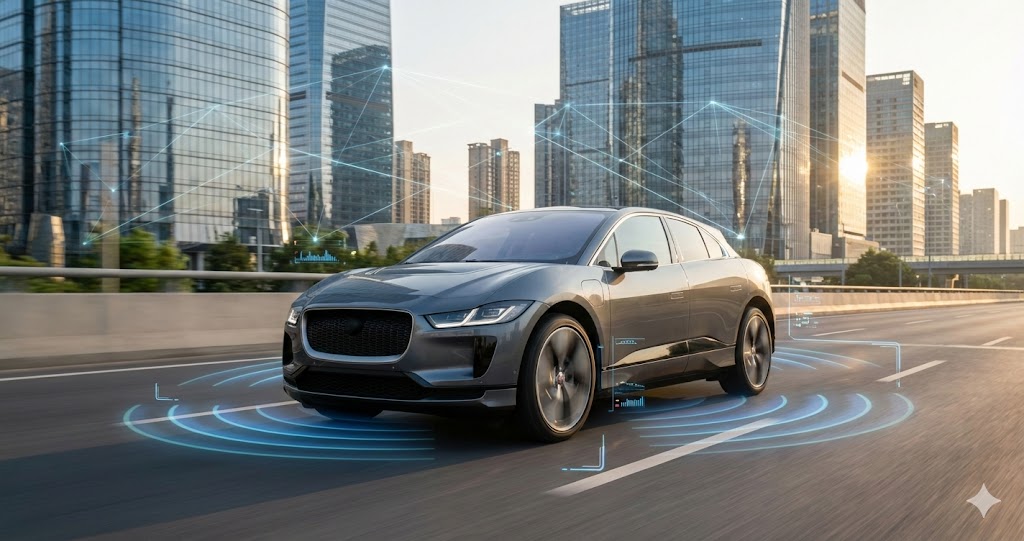
The Complete Guide to AI-Powered Transportation in 2026: Technology, Economics, and the Future of Urban Mobility Transportation is undergoing one of the most significant transformations in modern history. What began as simple ride-hailing apps has evolved into a sophisticated ecosystem powered by artificial intelligence, real-time analytics, autonomous systems, and digital coordination platforms. In 2026, AI-powered transportation is no longer experimental — it is actively reshaping cities, reducing inefficiencies, and redefining how people think about mobility. This comprehensive guide explores: The technology behind AI mobility How smart routing reduces congestion The economics of ridesharing vs ownership The rise of autonomous fleets The workforce impact What the next five years may look like 1. What Is AI-Powered Transportation? AI-powered transportation refers to mobility systems that use machine learning, predictive analytics, and real-time data to optimize travel. Unlike traditional transportation systems, which rely on fixed routes and manual dispatching, AI systems continuously learn from: Traffic patterns User demand behavior Weather conditions Historical trip data Urban congestion trends These systems dynamically adjust operations to improve efficiency. 2. The Core Technologies Behind Smart Mobility AI mobility is built on several technological pillars: 2.1 Machine Learning Algorithms These systems analyze millions of trip records to predict peak hours,…