Accessible Ridesharing in 2026: How Inclusive Mobility Can Transform Transportation for Millions of People
A practical industry guide to building more inclusive ridesharing and on-demand mobility for people with disabilities, older adults, and diverse accessibility needs.
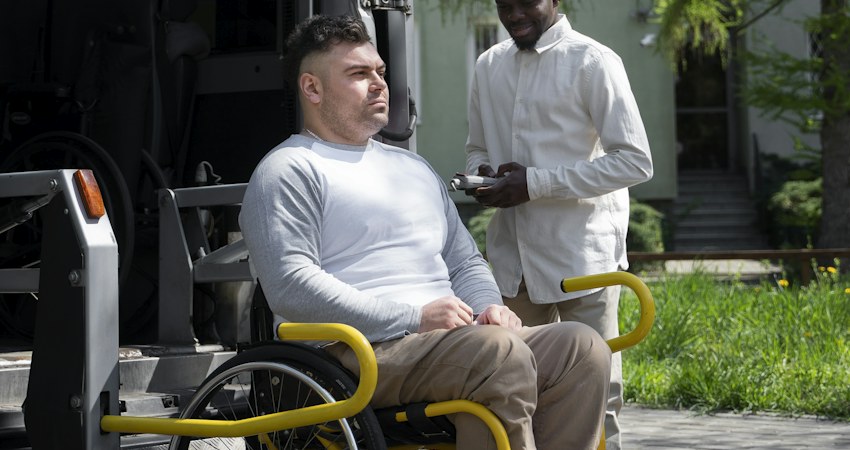
? # Accessible Ridesharing in 2026: How Inclusive Mobility Can Transform Transportation for Millions of People Part 1 of 4 Executive Introduction For more than a decade, on-demand mobility has been sold as convenience. You tap a screen, a car shows up, and the trip is done. For a large share of the public, that promise has largely come true. App-based ridesharing changed how people get to airports, get home late at night, commute when transit doesn't line up, and fill the gaps between buses, trains, and walking. That promise has never reached everyone equally. For many people with disabilities, older adults, caregivers, and people with temporary injuries or health conditions, "tap and go" can become "tap and wait," "tap and get cancelled," or "tap and find out the vehicle can't take you." The gap between what ridesharing promises and what some riders actually get is one of the most important unresolved problems in modern transportation. The size of the issue is larger than many people assume. The World Health Organization estimates that more than a billion people worldwide live with some form of significant disability. Many more have mobility, sensory, or cognitive limits that don't fit a formal definition of disability but still shape how they travel every day. Add populations that are aging in many countries, and accessible transportation stops looking like a niche service category. It becomes a core design requirement for any mobility system that wants to serve the…