The Arrival Effect in 2026: Why the Last Few Minutes Feel Different
The closer help gets, the calmer people become. Discover how approaching arrivals reduce stress, increase confidence, and reshape user behavior across rideshare, towing, roadside assistance, moving services, and service-sharing platforms.
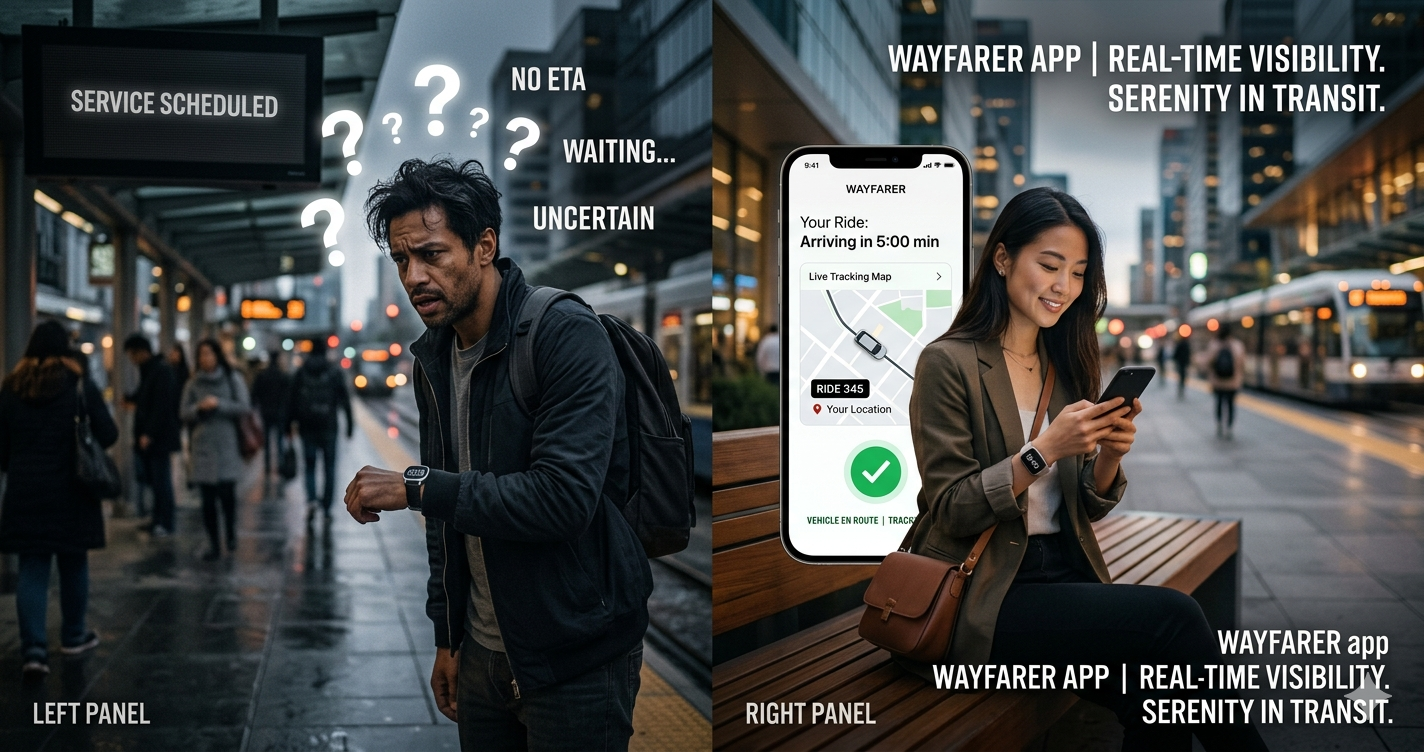
The Arrival Effect (2026) The closer help gets, the calmer people become. The final minutes feel different Imagine waiting for roadside assistance. The first few minutes feel uncertain. Questions fill your mind. How long will this take? Is help really coming? What happens next? Then something changes. The map updates. The provider is two minutes away. Suddenly the situation feels easier. The problem is not solved yet. The vehicle has not arrived. Yet emotionally, relief begins before the arrival itself. This is the Arrival Effect. The psychological shift that happens when a solution feels close enough to become real. The brain responds to proximity Humans react differently when outcomes feel close. An uncertain future creates anxiety. A visible, approaching solution creates confidence. As a driver gets closer... As a tow truck approaches... As movers arrive nearby... The brain gradually shifts from uncertainty to expectation. This is why the final few minutes often feel emotionally different from the first few minutes. People stop asking: "Will help come?" And start thinking: "Help is almost here." That small change dramatically reduces stress. The power of visible approach Modern transportation and service-sharing platforms increasingly highlight arrival progress. Users can see: driver location tow truck progress roadside assistance route moving service arrival provider approach notifications These features do more than provide information. They create emotional…