Robotaxis Are Coming Faster Than You Think: How AI Will Make Rides 50% Cheaper and Change Millions of Jobs
Robotaxis are moving from testing to real rides. Discover how AI-driven fleets could cut rideshare prices, disrupt Uber-style models, and reshape jobs—plus what it means for riders and drivers.
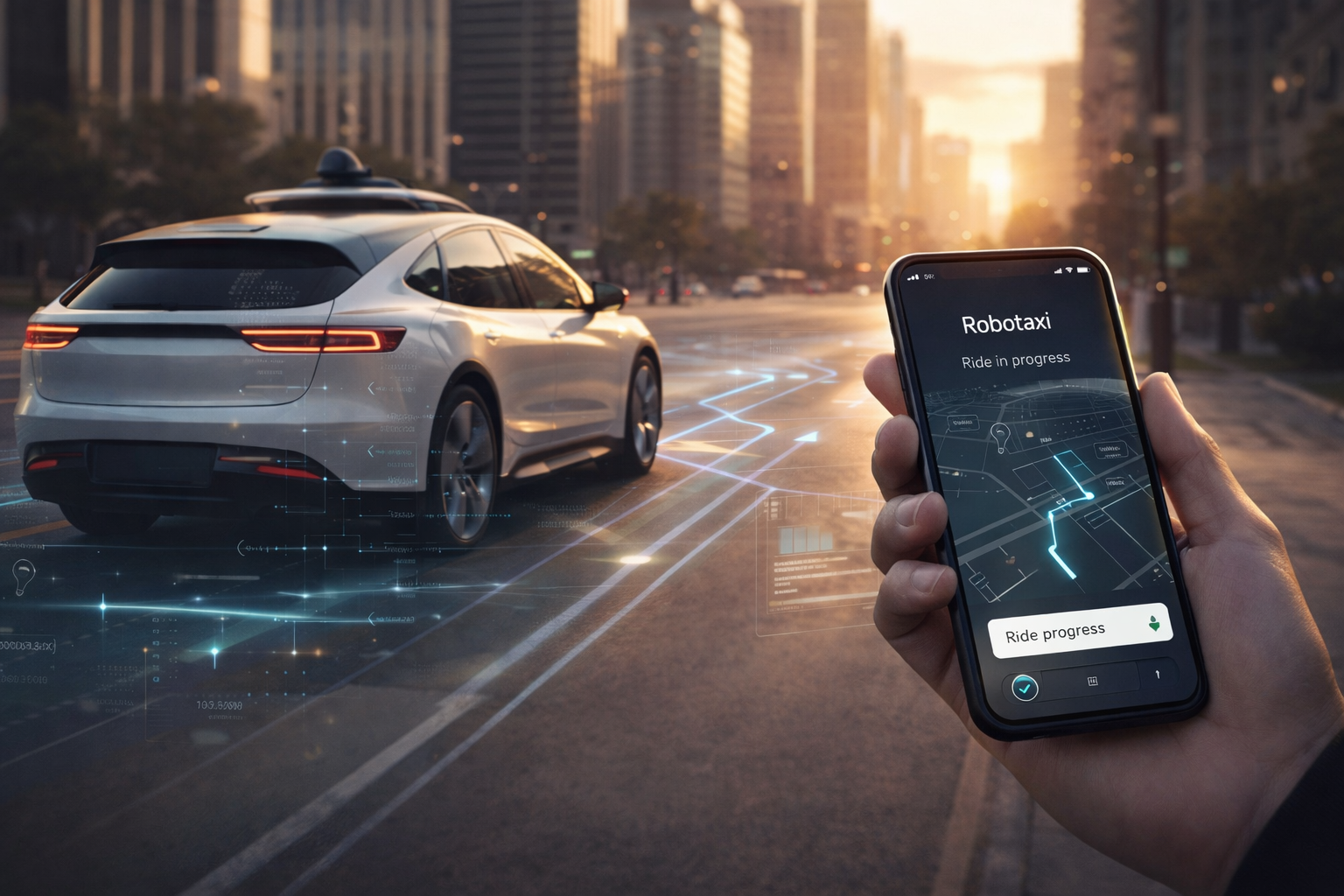
Robotaxis Are Coming Faster Than You Think: How AI Will Make Rides Cheaper and Change Millions of Jobs For years, robotaxis sounded like science fiction. Today, they are quickly becoming a real part of modern transportation. Autonomous ride networks powered by AI are moving from controlled pilots into real-world streets — and the ripple effects could transform everything: pricing, convenience, safety, and even the job market. ???? The Big Shift: Transportation Is Becoming “Software” The biggest change isn’t just self-driving cars. It’s the economic model behind them: when transportation becomes an AI service, rides can get cheaper, faster, and available 24/7 — without traditional centralized control or human-driver limitations. Key Takeaways (Quick Infographic) 1 Lower Ride Prices Removing labor cost changes pricing dramatically. 2 24/7 Availability AI fleets don’t need breaks, shift changes, or surge overtime. 3 Jobs Will Shift New roles grow while some driving work declines. What Is a Robotaxi (And Why It’s Different From Normal Rideshare)? A traditional rideshare platform depends on humans: drivers, schedules, and labor supply. Robotaxi networks are different: they are fleets of autonomous vehicles coordinated by AI. Instead of waiting for available drivers, the system dispatches the nearest vehicle based on real-time conditions — traffic, battery charge, demand, and route efficiency. ???? The AI Brain Behind Robotaxis…